

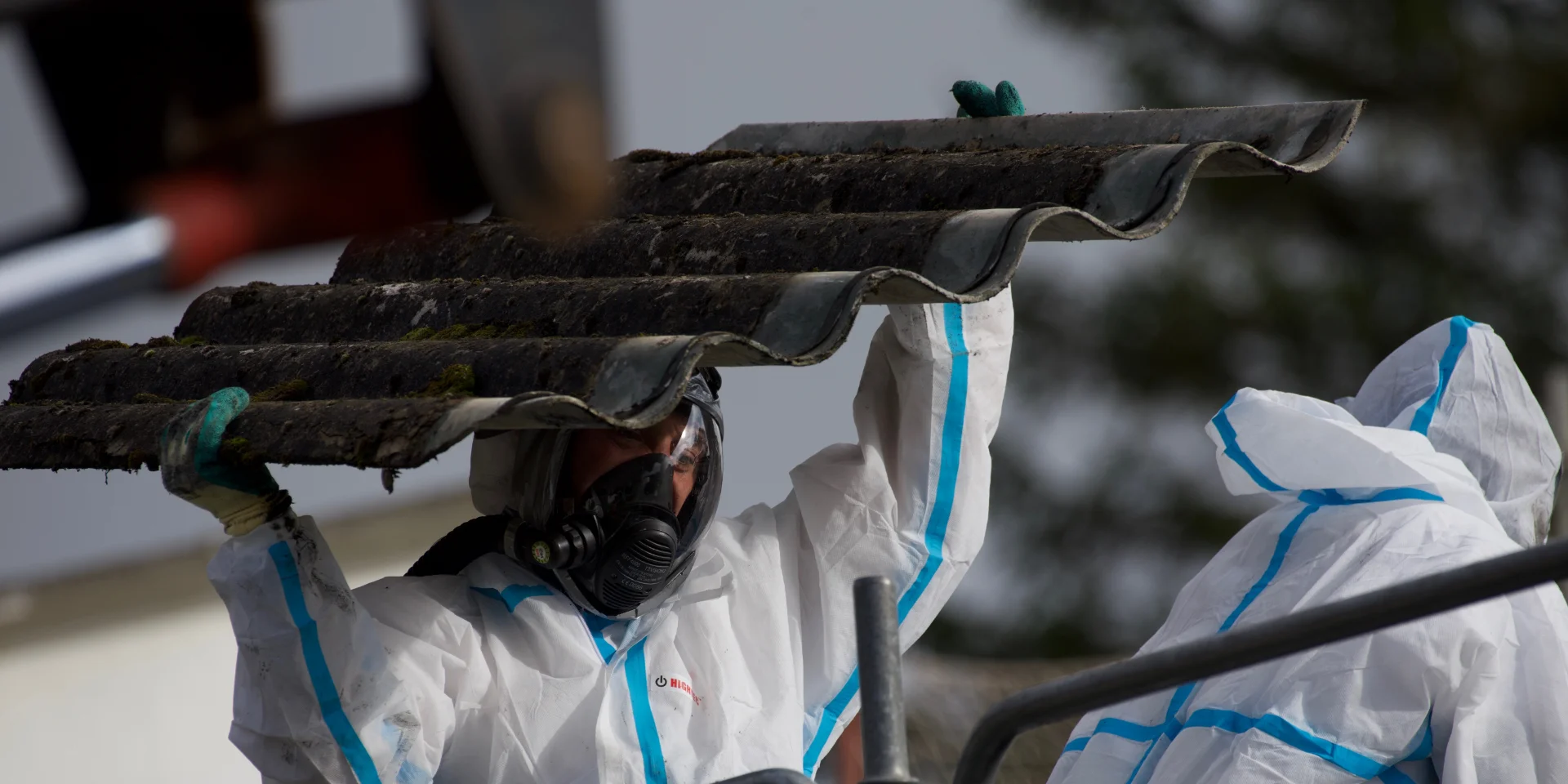
Asbestos might feel like an issue from the past, but across North and East Yorkshire it remains a very real, very current concern.
From old farm buildings and outbuildings to coastal homes and ageing industrial units, asbestos-containing materials are still widely present across the region. Even an untrained eye can spot an asbestos roof, with its corrugated construction, weathered grey appearance and distinctive fibre-cement texture.
In many cases, these have been in place for decades without issue but now time, weather and property renovations are increasing the risks. Understanding why asbestos is so common locally – and where it’s most likely to be found – is key to managing it safely.
Let’s look at when and where asbestos causes the most issues, the signs to look out for and what you can do about it.

Why asbestos was widely used in Yorkshire
To understand why asbestos is still such a widespread issue in North and East Yorkshire, it helps to look at how heavily it was used in the first place. Across the UK, asbestos was a go-to material from the 1950s through to the late 1980s. It was cheap, durable, fire-resistant and ideal for a wide range of construction uses.
In Yorkshire, those benefits made it particularly attractive.
The region has a strong agricultural and industrial heritage, with a huge number of farm buildings, workshops, storage units and functional structures built during this period. These buildings needed cost-effective materials that could cover large areas and withstand tough conditions.
Asbestos cement products, especially corrugated roofing sheets, fit the bill perfectly. They were widely used on:
- Barns and outbuildings
- Garages and sheds
- Industrial units and workshops
- Agricultural storage buildings
Because these structures were often built for practicality rather than appearance, asbestos materials became a standard choice.
The legacy of farm buildings and outbuildings
One of the biggest reasons asbestos remains so common in North and East Yorkshire is the sheer number of agricultural buildings still standing.
Drive through rural areas around Pickering, Malton, Driffield or the North Yorkshire countryside and you’ll see it everywhere, on older barns, sheds and outbuildings with corrugated roofs that have been in place for decades.
In many cases, those roofs are made from asbestos cement.
Unlike some other asbestos-containing materials, asbestos cement was designed to be durable and long-lasting. That means a lot of it is still intact today, often without having been replaced or upgraded.
This creates a few key challenges:
- Many buildings are still in active use
- Others are being converted into homes or commercial spaces
- Some have been left to deteriorate over time
As long as asbestos cement remains in good condition and undisturbed, it generally presents a low risk. The problem is that age, weather and structural wear eventually take their toll.
Once materials start to degrade, crack or break, the risk increases, particularly during maintenance work, repairs or redevelopment. This is why agricultural buildings are often one of the most common sources of asbestos-related work in the region.
Coastal weather and material breakdown
Another factor that makes asbestos more of an issue locally is the coastal environment.
Areas such as Bridlington, Whitby and Scarborough are exposed to harsh weather conditions that can accelerate the breakdown of building materials, including asbestos cement.
Salt-laden air, high winds and driving rain all contribute to gradual wear over time. While asbestos cement is tough, it isn’t immune to decades of exposure.
Over time, you may start to see:
- Surface erosion
- Flaking or powdering – known as “delaminating”
- Cracks or small breaks
- Fixings becoming loose
Wind can also cause physical damage, particularly to older roofing sheets. Once damaged, these materials are more likely to release fibres, especially if disturbed.
For property owners near the Yorkshire coast, this means asbestos materials may deteriorate faster than in inland areas, increasing the need for monitoring and maintenance.
Why it’s still a problem
Given that asbestos use was banned in the UK in 1999, it’s easy to assume the issue has largely been dealt with.
In reality, the opposite is often true.
Across North and East Yorkshire, a huge amount of asbestos is still in place. That’s because removing it isn’t always necessary or even advisable if the material is in good condition and not being disturbed.
As a result, many buildings still contain original asbestos materials which are often out of sight or overlooked, with issues only arising when damage or changes occur.
With more agricultural buildings being converted into residential or commercial properties, and older housing stock being updated, asbestos is frequently encountered as these projects begin.
That’s why it remains an ongoing issue rather than a historic one.
What to look out for
If you own or manage a property in the region, particularly an older one, it’s important to know the signs that asbestos-containing materials may be present and deteriorating.
Some common indicators include:
- Corrugated roofing sheets on garages, barns or outbuildings
- Visible cracks or breaks in roofing or cladding panels
- Flaking or weathered surfaces
- Leaks or signs of structural wear
- Debris or fragments around buildings
It’s important not to disturb any suspected asbestos materials. Even small amounts of damage can release potentially harmful fibres if handled incorrectly.
Instead, the safest approach is to treat anything suspicious with caution and seek professional advice.
What to do next
If you think a building may contain asbestos, or you’re planning work on an older structure, the next step is to get it properly assessed.
A professional inspection will confirm:
- Whether asbestos is present
- What type of material it is
- Its condition and risk level
From there, you can make an informed decision about how to manage it.
In some cases, the best option may be to leave the material in place and monitor its condition. In others, removal or encapsulation may be recommended, particularly if the material is damaged or likely to be disturbed.
Working with a qualified asbestos specialist ensures that any work is carried out safely and in line with current regulations.

Our latest asbestos projects
Our latest projects / See more case studies
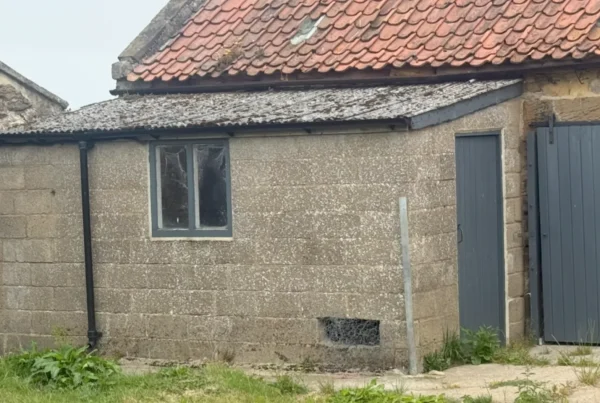
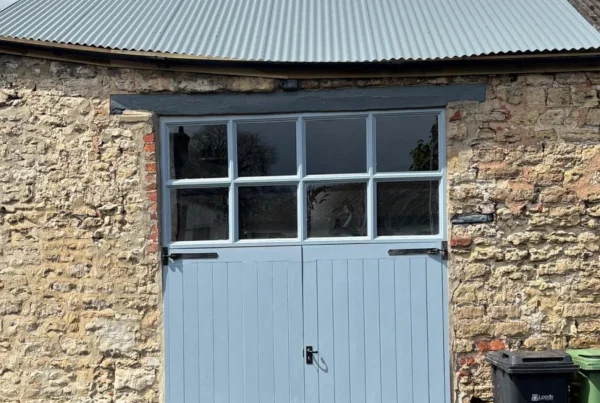
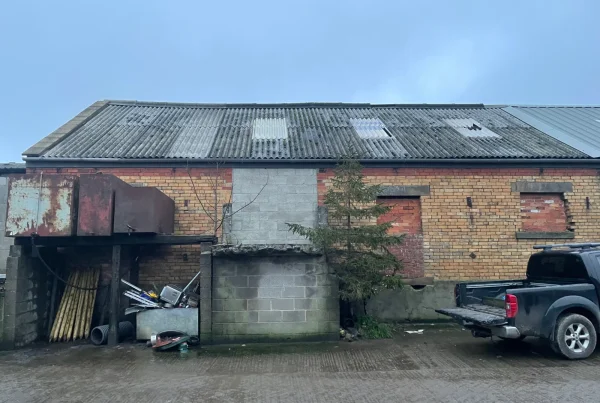
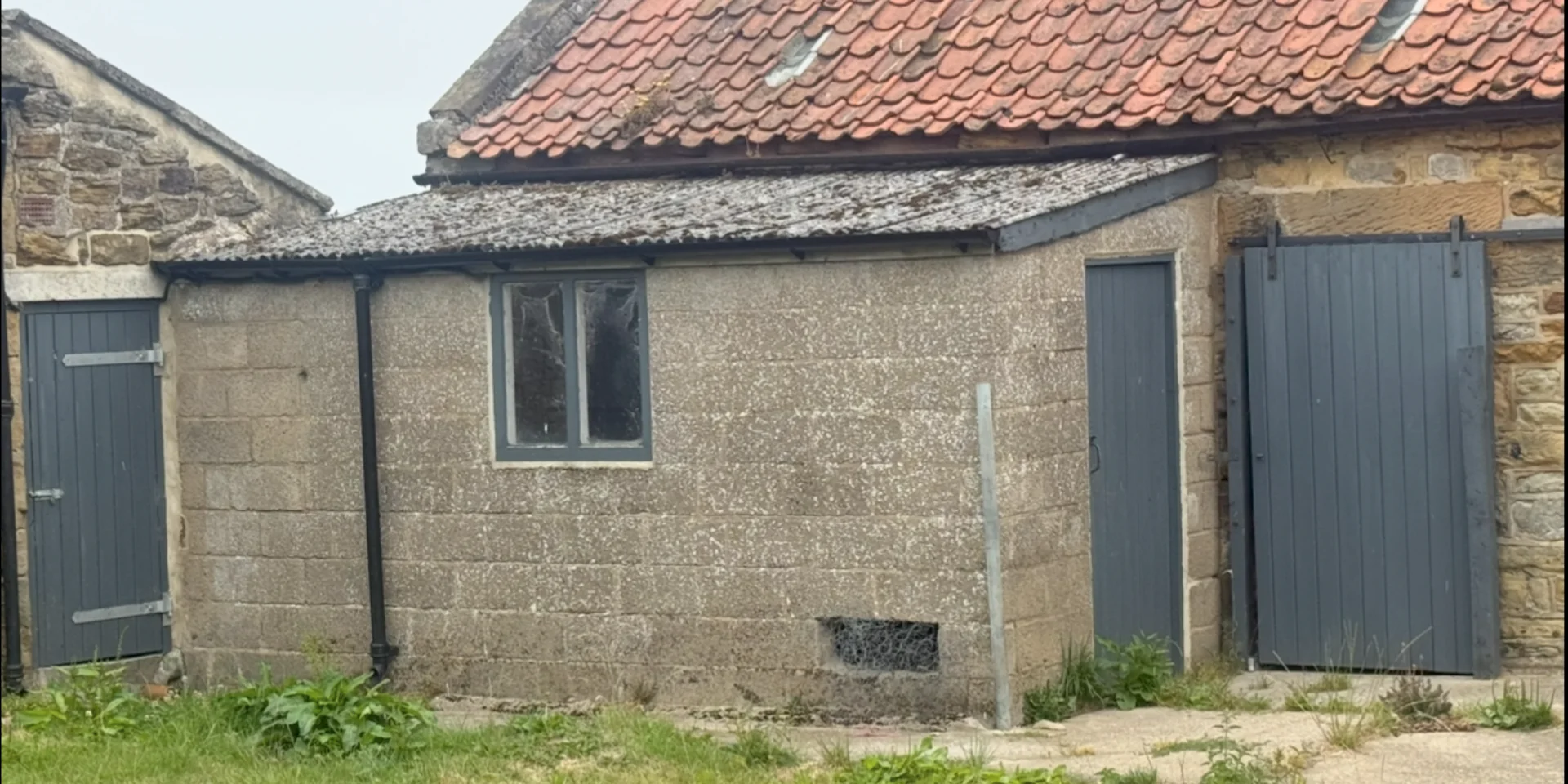
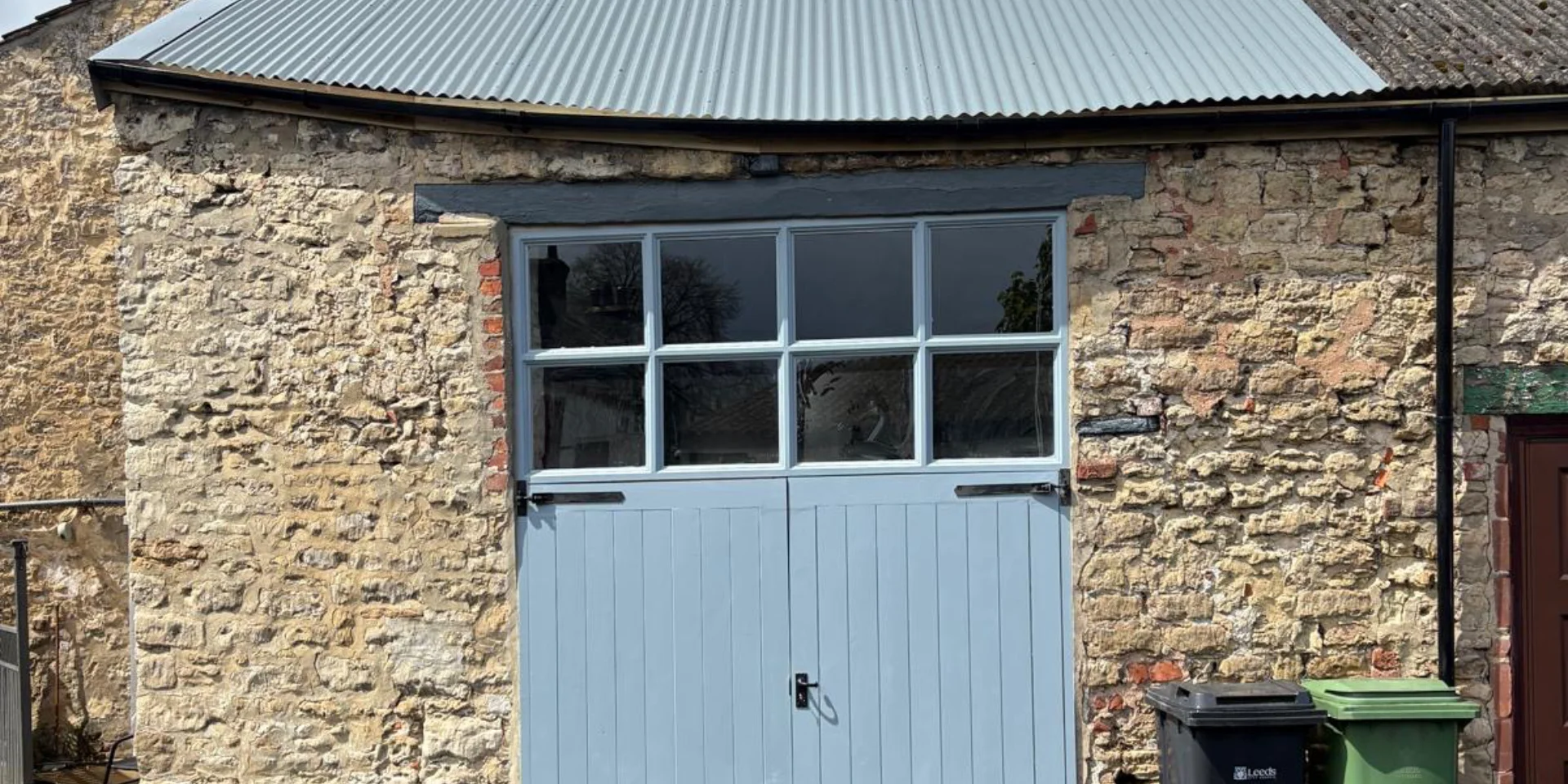


Our experience of asbestos in North and East Yorkshire
As it’s one of our main areas of work, we receive regular call-outs to homes, businesses and farms across the region. With our base just outside Scarborough, we often find ourselves carrying out inspections on farm buildings in the rural areas nearby and also on the North York Moors.
We are also receiving more requests from the owners of industrial buildings like warehouses and factories, as they get to the age where the asbestos-containing materials are starting to deteriorate and risk releasing fibres. This is most comment in larger places like York, Bridlington and Scarborough but also in industrial units hidden away throughout the countryside.
What to do next
Asbestos isn’t just an isolated legacy issue – it’s a current problem across North and East Yorkshire.
The combination of agricultural history, coastal exposure and ageing buildings means it continues to cause new problems across the region every day.
For property owners, the key is not to panic. Knowing where asbestos is likely to be found, understanding the risks and taking the right steps when needed will help you manage it safely and responsibly.
Find out more about asbestos removal via the link below.